 Skip to main content
Ngorongoro Crater
Ngorongoro Crater
The Ngorongoro Conservation Area encompasses the Ngorongoro Crater, a UNESCO World Heritage Site. The crater is a massive caldera formed by the collapse of an ancient volcano. It is a self-contained ecosystem that harbors an incredible concentration of wildlife, offering a distinct safari experience that is unmatched in the region.
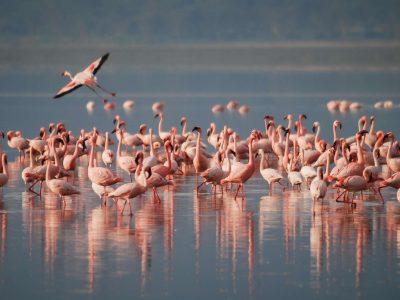
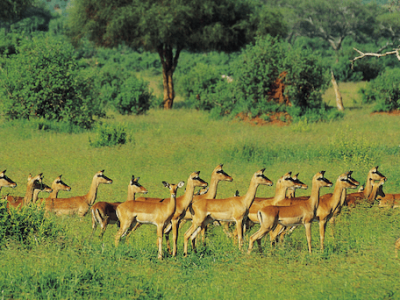
Wildlife: Ngorongoro Crater is often referred to as the “Garden of Eden” due to its extraordinary wildlife population. It is home to an impressive variety of wildlife species, including the iconic Big Five (lion, leopard, elephant, buffalo, and rhino). The crater’s enclosed nature and abundant water sources make it easier to spot and observe animals up close, providing exceptional game viewing experiences. It is also a haven for bird enthusiasts. The varied habitats within the area support over 500 bird species, including flamingos, pelicans, ostriches, raptors, and numerous waterbirds. Birdwatchers can enjoy spotting both resident and migratory species in this diverse avian paradise.
Landscape: The Ngorongoro Crater is a remarkable geological feature and the main attraction within the conservation area. It is the world’s largest unbroken caldera, formed by the collapse of an ancient volcano millions of years ago. The crater’s floor, spanning approximately 260 square kilometers, is a self-contained ecosystem with diverse habitats that support an incredible concentration of wildlife.
Known For: Ngorongoro Conservation Area showcases a successful model of wildlife conservation and human-wildlife coexistence. The area is managed by the Maasai people, who have inhabited the region for centuries and continue to coexist with the wildlife while practicing traditional pastoralism. This unique conservation approach allows the preservation of biodiversity and cultural heritage while supporting sustainable development.
Cultural Heritage: The Maasai people and their vibrant culture are an integral part of Ngorongoro Conservation Area. The Maasai have maintained their traditional way of life, and visitors have the opportunity to learn about their customs, traditions, and traditional dwellings (bomas). Cultural visits to Maasai villages provide insights into their unique lifestyle, beadwork, music, and dance. Additionally, located within the conservation area is Olduvai Gorge, an important archaeological site known as the “Cradle of Mankind.” Fossils and stone tools found here have provided crucial insights into human evolution and are significant to our understanding of early human history.
Our Premium Destinations
where we offer an incredible range of experiences for your travel adventures.
